
Sourcing & Handling
Research Notes
Practical guidance on sourcing, verifying, receiving and storing research materials — written for the people who handle them.
uk delivery and the postal network
 Bank Holidays and Depot Dwell: When a Parcel Sits for Four DaysThe bank holiday calendar is not the same in England, Scotland and Northern Ireland, and a parcel that is handed over on the wrong afternoon can spend a long weekend on a shelf. Here is the calendar, and what the 2025 Ofcom change did and did not alter.
 Jersey, Guernsey and the Isle of Man: Outside the UK VAT AreaA UK delivery address list that omits the Channel Islands is not being awkward. Jersey and Guernsey sit outside UK VAT, the Isle of Man sits inside it, and the paperwork follows.
 Parcel Lockers and Pickup Shops for a Temperature-Sensitive OrderOut-of-home collection solves the missed-delivery problem. It adds a fixed collection deadline and, for outdoor lockers, a metal box nobody controls the temperature of.
 Royal Mail Compensation Limits and the Restricted-Items ExclusionThe carrier's compensation scheme is small, it is paid to the sender, and it can be refused outright for an item that should not have been posted. For a buyer, the real remedy usually sits with the seller.
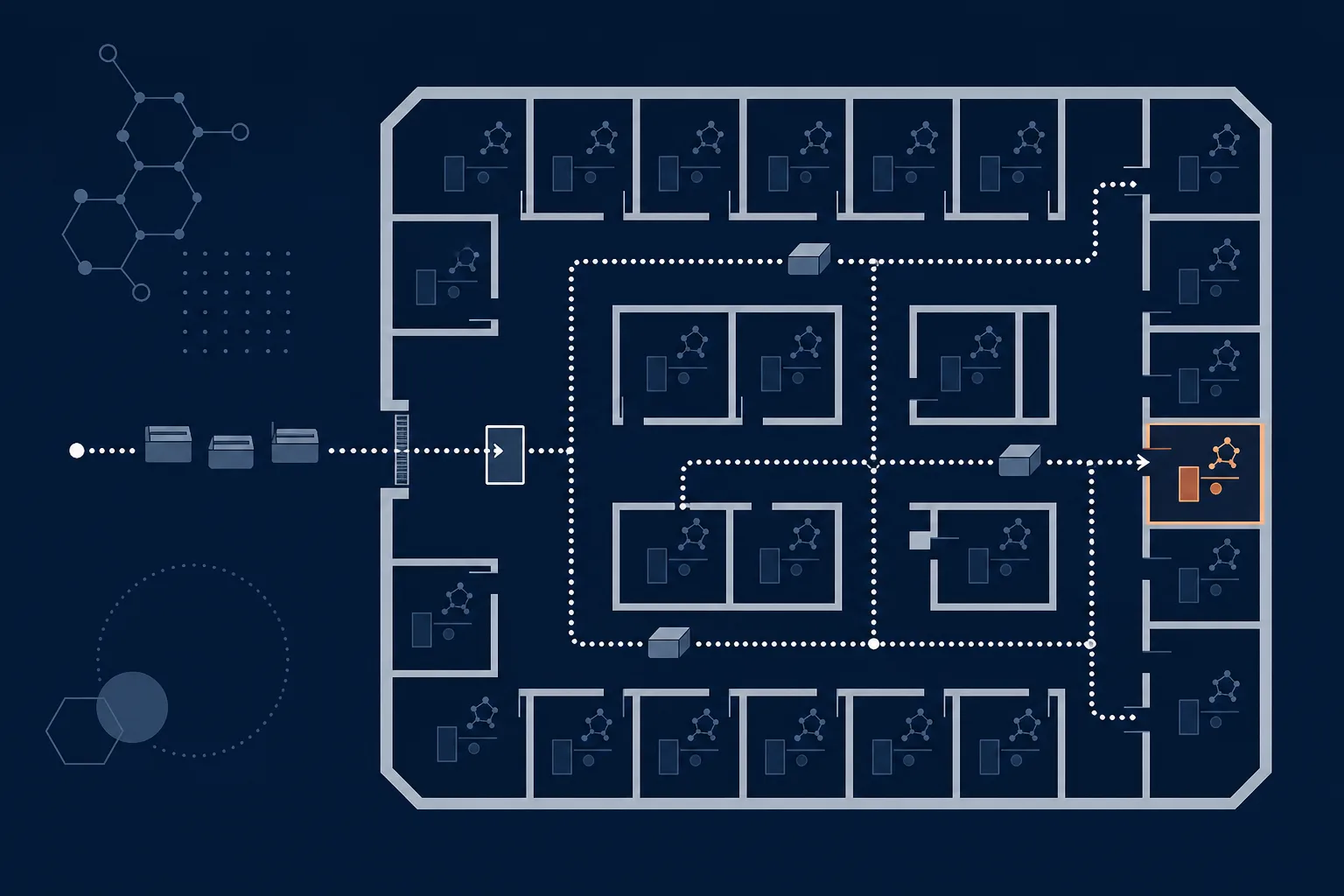 Delivering to a University Department: Goods-In Desks, Mailrooms and the Parcel That Went to StoresA parcel addressed to a university lab or a hospital research unit almost never goes to the lab. It goes to a goods-in desk, gets booked, and starts a second, internal journey that the courier's tracking page knows nothing about.
 Highlands, Islands and Northern Ireland: Surcharges, Extra Days and What "UK Delivery" Excludes"Free UK delivery" and "next-day UK" usually carry an asterisk, and the asterisk is a postcode list. For a buyer in the Highlands, on an island or in Northern Ireland, that list decides the price, the transit time and sometimes whether an order ships at all.
 Royal Mail or a Courier: How Research Materials Actually Travel Inside the UKInside the UK a research consignment moves on one of two systems with different rules, different promises and different ideas of what counts as delivered. The buyer rarely picks the network, but can pick almost everything that matters about it.
 Safe Place, Neighbour or Signature: When the Risk in a Parcel Passes to YouA tracking page that says "delivered" records the courier's view of the job. Whether the loss of a parcel left behind a bin is yours or the seller's is a different question, answered by statute, by the contract and by who chose the carrier.
 Two Days in the UK Network: Van Temperatures in July and Frost in JanuaryA parcel in the UK spends its nights in trailers and depots and its days in a van. The climate it meets there is seasonal and regional, and the season most buyers worry about is not the one that does the repeated damage.
uk payments and buyer protection
 Bank Transfer to a Supplier: What the APP Fraud Rules CoverSince 7 October 2024 UK banks must reimburse most victims of authorised push payment scams. The rule is real, and it stops short of the one situation research buyers worry about most: a genuine supplier who does not deliver.
 Confirmation of Payee and the Invoice With New Bank DetailsThe bank's name check confirms that a name and an account agree. It does not confirm that the invoice in front of you is genuine, and invoice redirection fraud exploits the gap between the two.
 Section 75 and Chargeback When a Research Order Goes WrongTwo different routes sit behind a card payment in the UK. One is a statute, the other is a scheme rule, and which one you hold depends on the card, the price of the item and who you are.
 Why Research Reagent Vendors Struggle to Take Card PaymentsA checkout with no card logos is usually a fact about the product category and the card system, not a verdict on the individual seller. What it does change is which protections the buyer keeps.
buying as a uk institution or small lab
 Consumables on a UKRI Grant: Eligible Costs and the Audit TrailA reagent bought on a research council grant is a directly incurred cost. That one classification decides what evidence must exist, when the order can be placed, and what an assurance review will ask to see.
 Record Retention Clocks for a Small UK Lab: 3, 6 and 40 YearsA small laboratory does not keep its records for one period. It keeps them for several, each set by a different statute and each starting from a different event.
 University Purchasing Consortia and Frameworks for Lab SuppliesWhen procurement tells a researcher to use the framework, it is pointing to an agreement negotiated by a regional consortium. Here is what that means, what it fixes, and how a supplier outside it can still be bought from lawfully.
 Valid VAT Invoices: What Finance Needs From a Reagent SupplierAn order confirmation looks like proof of purchase, and a card receipt looks like proof of payment. Neither is what HMRC calls a VAT invoice, and the difference decides whether the VAT can be reclaimed.
 Buying as a Business: Why the Consumer Rights Act Does Not Apply and What Replaces ItThe Consumer Rights Act 2015 protects individuals buying for themselves. A lab, a company or a university buying supplies falls under the Sale of Goods Act 1979 instead: similar words, different remedies.
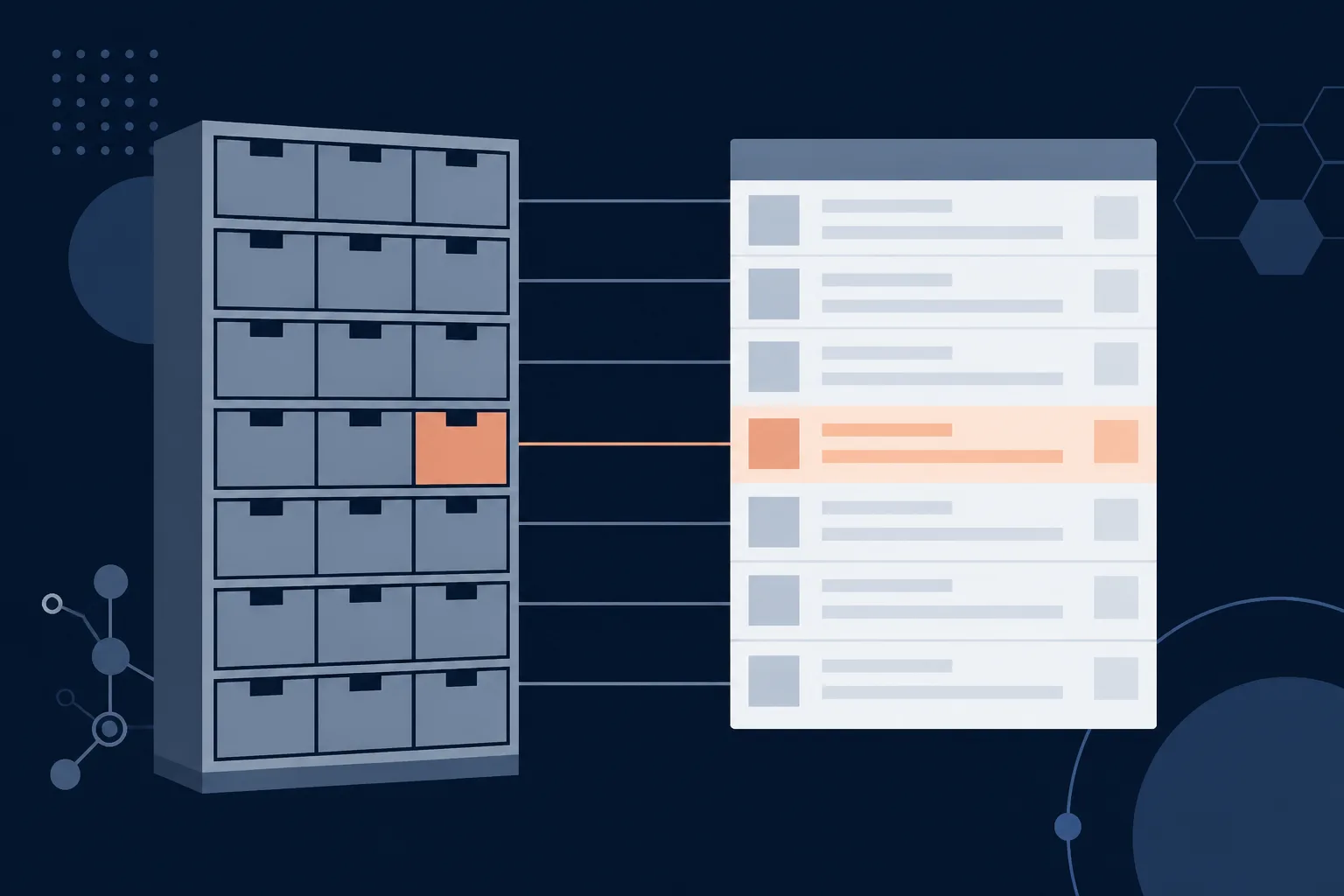 COSHH for a Cupboard of Reagents: The Record a Small Lab Must KeepCOSHH applies to anyone storing hazardous substances at work, however few. For a small lab the practical output is a short set of records: safety data sheets, a register, the assessment and a review date.
 Disposing of Expired Reagents and Sharps in the UK: Hazardous Waste Rules for Small QuantitiesSmall quantities are not exempt. A discarded reagent with hazardous properties is hazardous waste: it leaves with a registered carrier, under a consignment note, and the record is kept for three years.
 Getting a Supplier Set Up at a UK University: Proforma, PO, New-Supplier Forms and 30-Day TermsUniversity finance runs on a sequence: requisition, supplier set-up, purchase order, delivery, invoice, payment. Most delays come from starting in the middle.
 VAT Relief on Scientific Equipment: Who Qualifies Under Notice 701/6 and What Consumables Never DoA zero rate exists for equipment bought with charitable money by eligible bodies for medical or veterinary research. It is narrower than most purchase orders assume, and a reagent order almost never fits.
uk enforcement 2026
 MHRA Enforcement Operations 2025-26: What the Releases SayFour GOV.UK releases between October 2025 and July 2026 record raids on suspected illegal manufacturing sites. Read side by side, they show what the regulator has said, and how little it has said about peptides.
 Advertising a Research Reagent in the UK: The CAP Code Line Between Description and ClaimThe Advertising Standards Authority does not regulate what a reagent is. It regulates what is said about it — and its rulings show exactly where description stops and a claim the seller cannot make begins.
 A Notice of Seizure from Border Force: The Procedure, the One-Month Window and RestorationA seizure notice starts two separate clocks running: one to challenge whether the seizure was lawful, and one to ask for the goods back anyway. Missing the first ends that route for good.
 The MHRA's 2026 Peptide Inquiry: What It Covers, What It Does Not, and What Changed for Research SupplyIn April 2026 the medicines regulator confirmed it was investigating UK clinics over health claims for peptide injections. The trigger was presentation, not chemistry — and that decides who the inquiry reaches.
 Why Human Growth Hormone Is Class C in the UK and Most Peptides Are NotSomatropin sits on the Misuse of Drugs Act's Class C list because of a 1996 decision about anabolic agents, not because of what it is made of. Most peptides were never put through that process at all.
 The Psychoactive Substances Act and Why Peptides Fall Outside ItThe 2016 Act defines its target by effect on the mind, not by chemistry. That is why most peptides are nowhere near it — and why the few marketed as nootropics are where the confusion lives.
uk supplier vetting and reporting
 Reporting a Suspect Product or Seller in the UK: Who Takes ItFour public bodies take four different kinds of report. Sending the right complaint to the right desk, with the right evidence, decides whether anyone acts on it.
 The UK Fake Reviews Ban and What Vendor Ratings Now MeanSince April 2025 a fake review, or an incentivised one that hides the incentive, is a banned practice in UK law. That changes what a star rating can be trusted to say, and what it never could.
 Vetting a UK Research Supplier on the Public RegistersThree free registers and one piece of statute will tell you whether a supplier is a real, current, registered business. None of them will tell you what is in the vial.
 What a UK Online Seller Must Display by LawThree sets of regulations decide what a UK website has to publish about the business behind it. Read as a checklist, they tell a buyer a good deal before a first order is placed.
importing into the uk
 Sending a Sample From the UK to an EU Lab: The Export PaperworkA vial in a padded box is still an export. The declaration, the invoice and the wording on both decide whether it clears quickly or sits in a warehouse.
 The £135 Rule and Carrier Handling Fees on Parcels From the EUOne threshold decides whether the seller charges UK VAT at checkout or the carrier collects it at your door, with a handling fee of its own. Here is how to read each, and what has been announced about the duty relief.
 Commodity Codes: The Field That Decides What Your Import CostsOne number on a customs declaration sets the duty rate, the VAT treatment and whether the goods meet a control. It is also the field most often filled in by somebody guessing.
 EORI Numbers: When a Laboratory Needs One, and What Happens Without ItAn EORI is not a licence and it grants no permission. It is an identifier — and its absence tends to surface at the least convenient moment, with goods already at the border.
 Import VAT and Postponed Accounting: Why the Charge Arrives TwiceImport VAT is not an extra tax on research materials. For most VAT-registered buyers it is a timing problem, and there is a mechanism specifically for not paying it at the border.
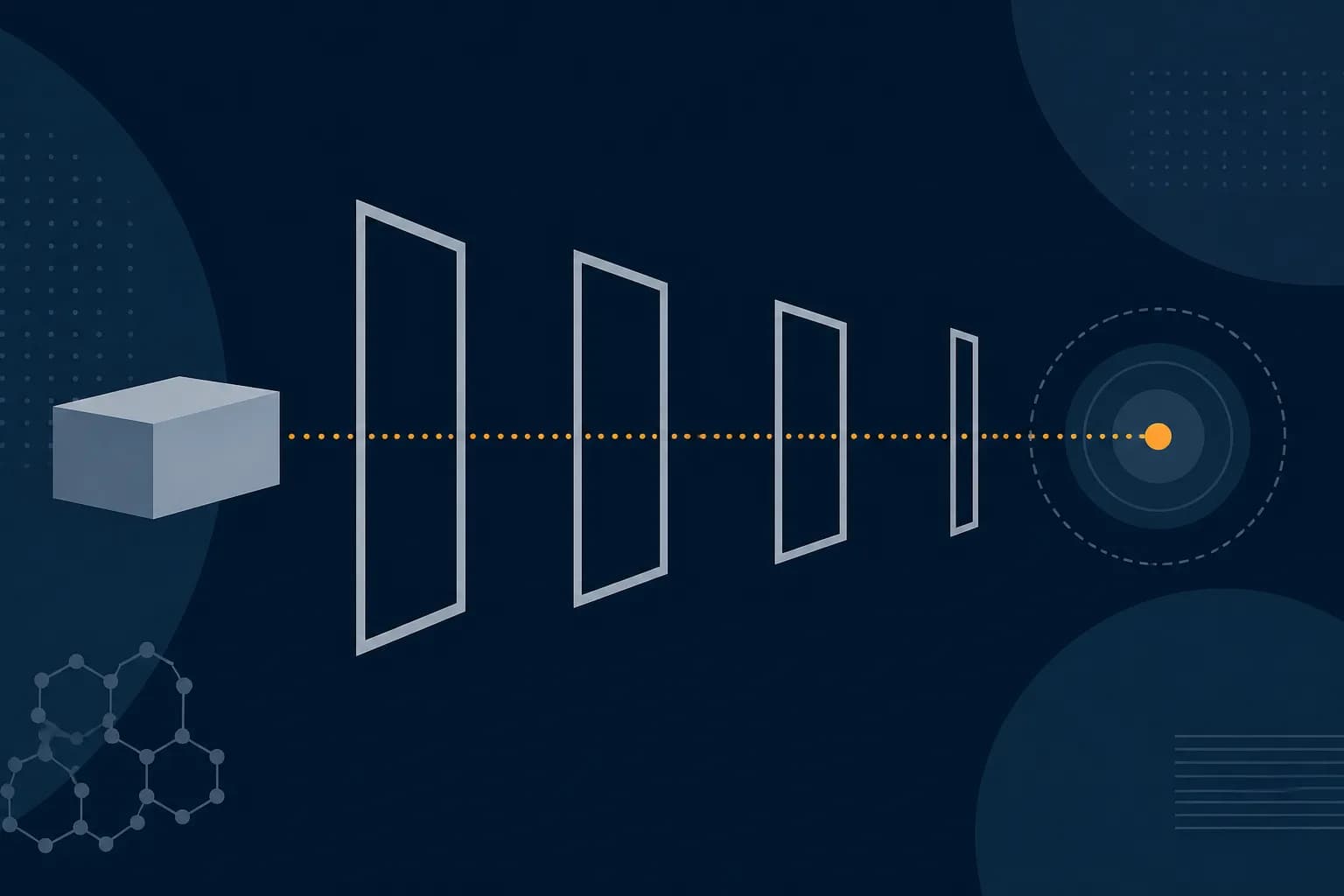 Importing Research Materials into Great Britain: What Actually Happens at the BorderA parcel crossing into Great Britain passes through four separate processes, each of which can hold it. Knowing which one has your consignment is the difference between a useful phone call and a week of waiting.
 Northern Ireland Is Not Great Britain: What the Windsor Framework Changes for Inbound GoodsA delivery address in Belfast follows different rules from one in Birmingham. That is not a quirk of the courier — it is the arrangement itself, and it decides how a consignment is declared.
uk regulatory position
 UK REACH, GB CLP and the SDS: What a GB Buyer Should ReceiveGreat Britain has run its own chemicals regime since 2021. It decides which labels and safety data sheets a supplier owes a laboratory, and one duty to notify HSE was removed in May 2026.
 What the MHRA Regulates, and What It Does NotThe agency's remit is narrower and more specific than most people assume. Understanding where its authority actually falls explains most of what is confusing about research material in Britain.
 Why Some Peptides Are Prescription-Only in the UK and Others Are NotThe line is not drawn by the molecule. It is drawn by whether a product has been authorised as a medicine — and understanding that distinction explains most of what confuses buyers about UK legal status.
uk testing and verification market
 Checking a UK Lab's UKAS Schedule: Is the Test You Paid For Actually in Scope?An accreditation number on a report is a claim you can test in a few minutes. The test is not whether the laboratory is accredited, but whether this method, on this material, at this site, is on its schedule.
 Commissioning an Endotoxin Test in the UK: LAL, rFC and What the Result Is WorthEndotoxin is the test most supplier certificates leave out and most cell-assay buyers eventually need. Here is where UK buyers can get it done, what to send, how to read the unit, and what a pass does not prove.
 Posting a Sample to a UK Lab: Packaging Instruction 650, the 50 g Limit and Who May SendRoyal Mail's biological-substance rules are strict, short and widely misapplied. Most peptide samples are not biological substances at all. Here is how to tell which rules your parcel meets, and what the post will and will not carry.
 "Third-Party Tested" on a UK Site: What the Phrase Commits the Vendor ToUnder the UK advertising code, a testing claim is an objective claim, and the seller must hold evidence for it before publishing. That gives a buyer a fair question to ask, and a way to read the answer.
 Independent Peptide Testing in the UK: What a Domestic Lab Can Actually Do for YouPlenty of sellers say they use a UK lab. Far fewer pages explain what a UK lab will do for a buyer who sends it a vial: which tests, what they establish, what they leave open, and what to check before paying.